Zero unauthorised access incidents. Ever.


A tier-1 financial services provider in Nairobi was struggling with legacy access control systems. Multiple vendors, fragmented credentials, and zero visibility into user sessions created a high-risk environment. The firm needed a unified security protocol that could handle thousands of daily transactions without introducing friction.
We deployed the 'Zero Trust' architecture. This involved moving away from simple passwords to a layered identity verification system. We integrated Active Directory with a centralized MFA vault and implemented time-based access restrictions for all database administrators.
Simultaneously, we hardened their network perimeter with a converged security mesh, combining AI-powered CCTV surveillance with biometric access control for the server room, all managed under a single dashboard.
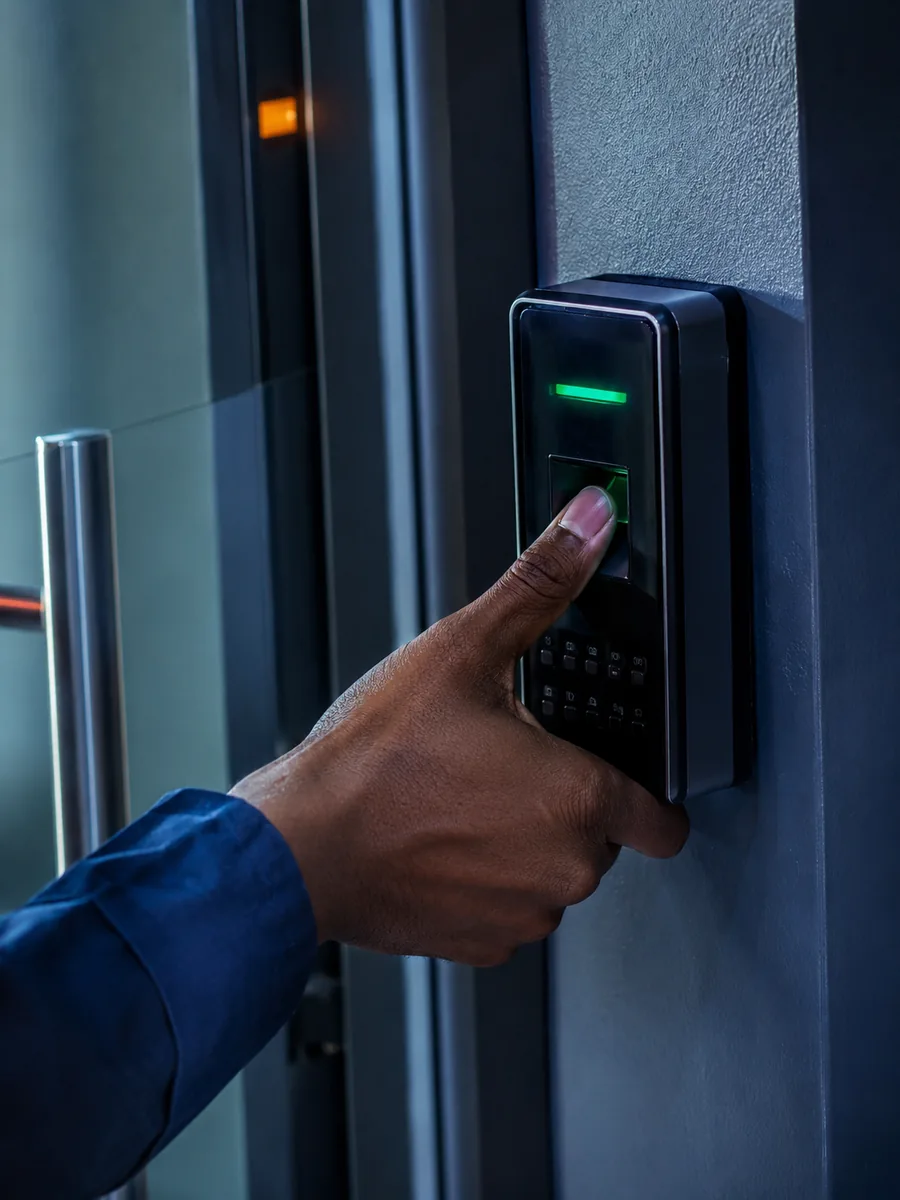
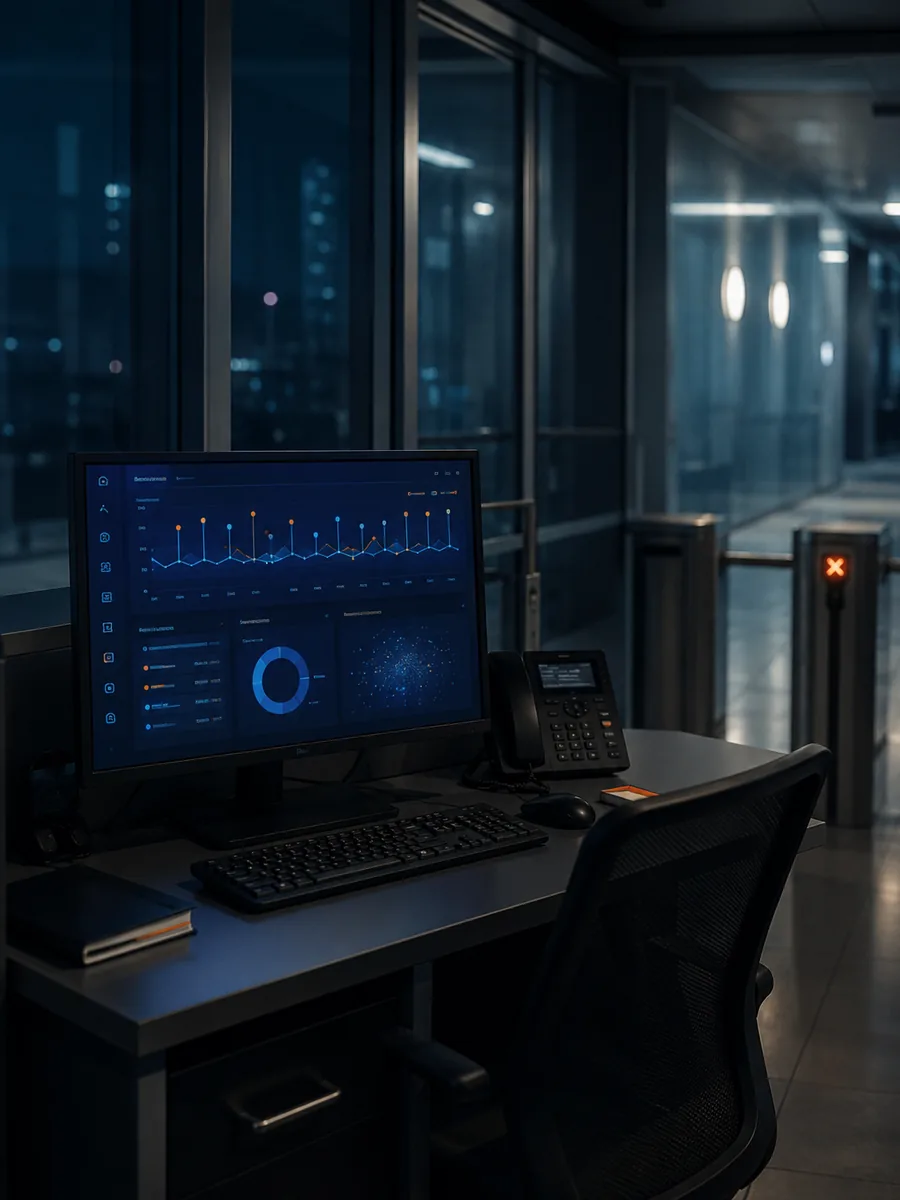
The firm has since recorded zero unauthorized access events. Proactive monitoring allowed the IT team to resolve performance bottlenecks before they impacted end-users. The combination of live database replication and rapid recovery systems has ensured that the firm's critical financial engine is both secure and resilient.
What changed, what risk was removed, and where to go next.
Remote access and database continuity needed tighter controls.
Layered VPN, Active Directory, 2FA, time restrictions, monitoring, and replication produced zero unauthorized access incidents.
Weak identity, access, and session-control posture.
Turn this result into a scoped conversation.
Security isn't a single product; it's a process of eliminating implicit trust. By layering identity verification with network-level protection and behavioral monitoring, we create an environment where a single stolen password is no longer a catastrophic entry point. This is the essence of Zero Trust in an enterprise context.