Three systems. One contract. Reactive maintenance replaced with a structured annual programme.
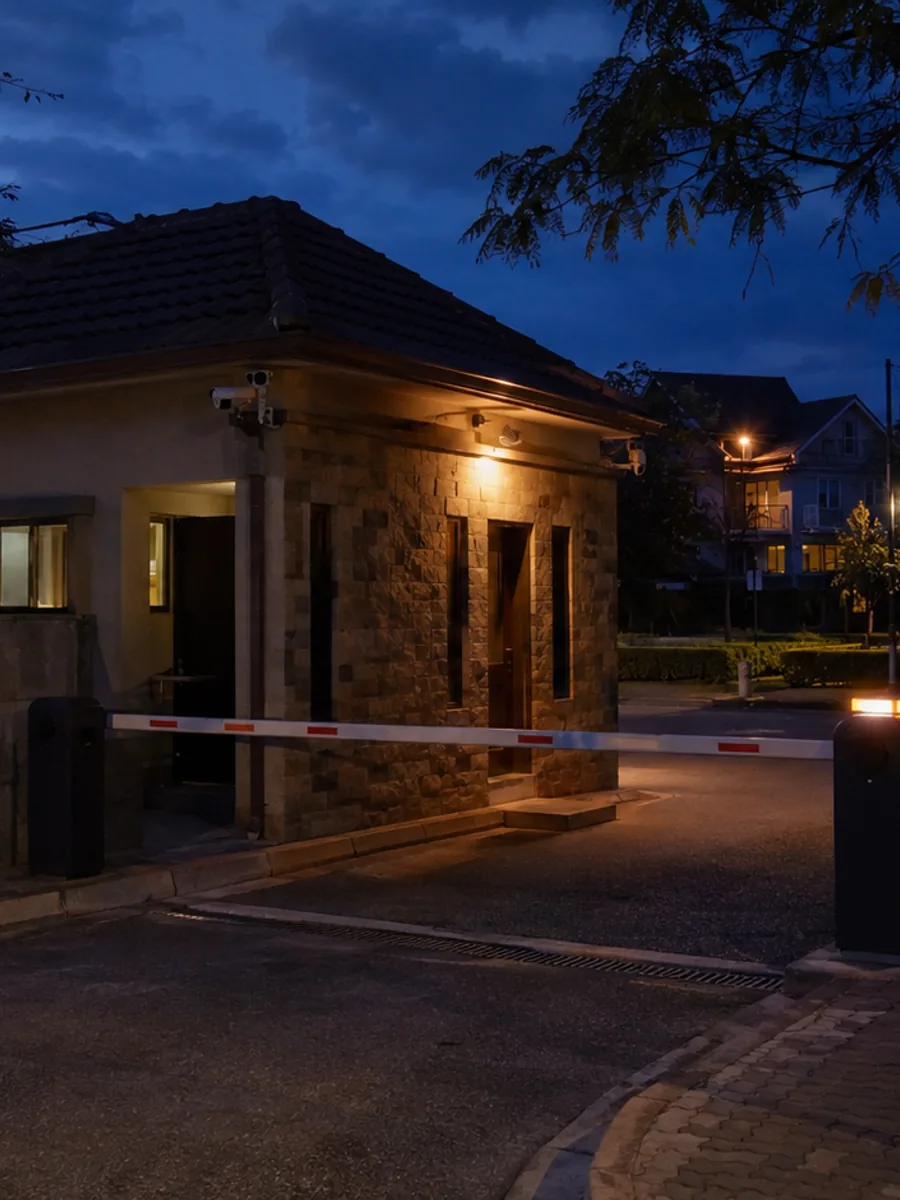
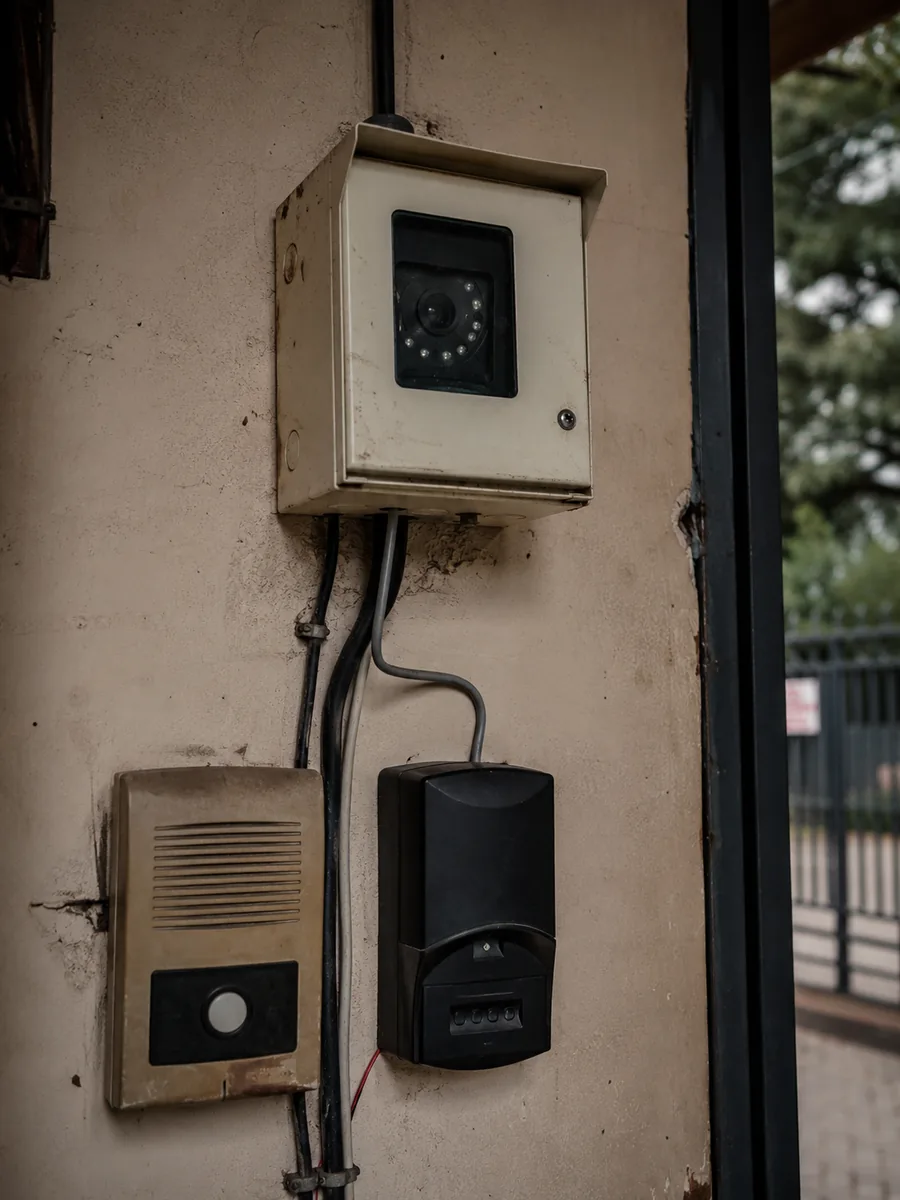
A Nairobi residential property was managing three distinct physical security and communications systems — CCTV surveillance, biometric access control, and a telephone infrastructure — without a unified maintenance framework. Each system had its own failure modes, its own update cadence, and a fragmented support relationship. The result was a reactive default: faults were addressed only after they caused visible problems, with no scheduled inspection rhythm and no firmware update programme. The telephone system had its own acute problems: a local Yeastar IP PBX with complex cabling that was generating ongoing maintenance overhead and could not scale without new hardware installations. There was no emergency response SLA, and no single accountable vendor across any of the three systems.
Nine One Two Holdings proposed and executed an Annual Maintenance Contract consolidating all three systems — CCTV, biometric access control, and telephone — under a single agreement and a single point of contact. The AMC committed 912 to quarterly comprehensive inspections across all three systems: physical inspection and cleaning of cameras and recording equipment, calibration and cleaning of biometric sensors, and testing of all telephone hardware. Bi-annual software and firmware update cycles were incorporated to ensure every system remained current.
Emergency support for critical failures was included as a contractual commitment rather than a separately billable callout. For the telephone infrastructure specifically, 912 scoped a transition pathway from the local Yeastar IP PBX to a hosted cloud-based telephone system within the AMC scope — eliminating the cabling overhead entirely and reducing the ongoing maintenance requirement to a stable internet connection. The cloud platform would scale with the property without requiring hardware procurement.
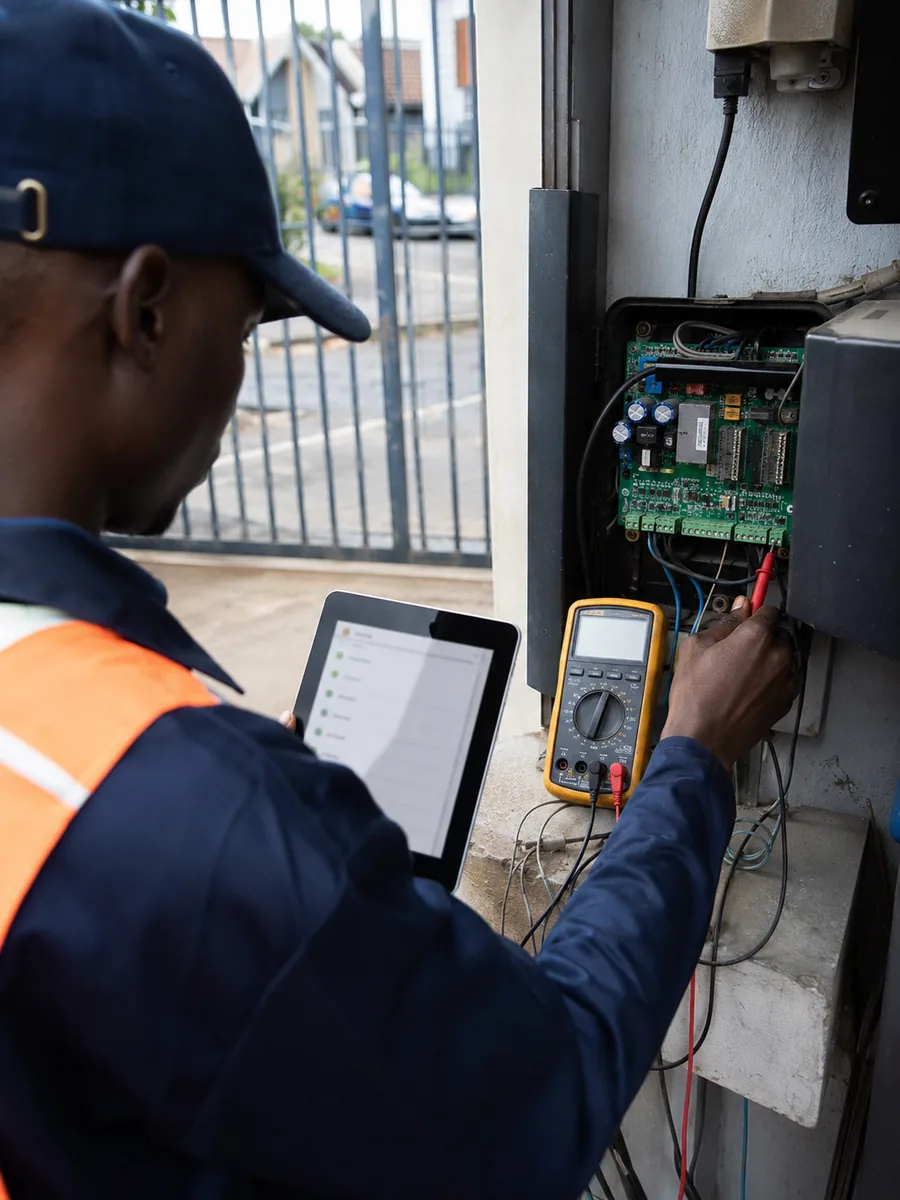
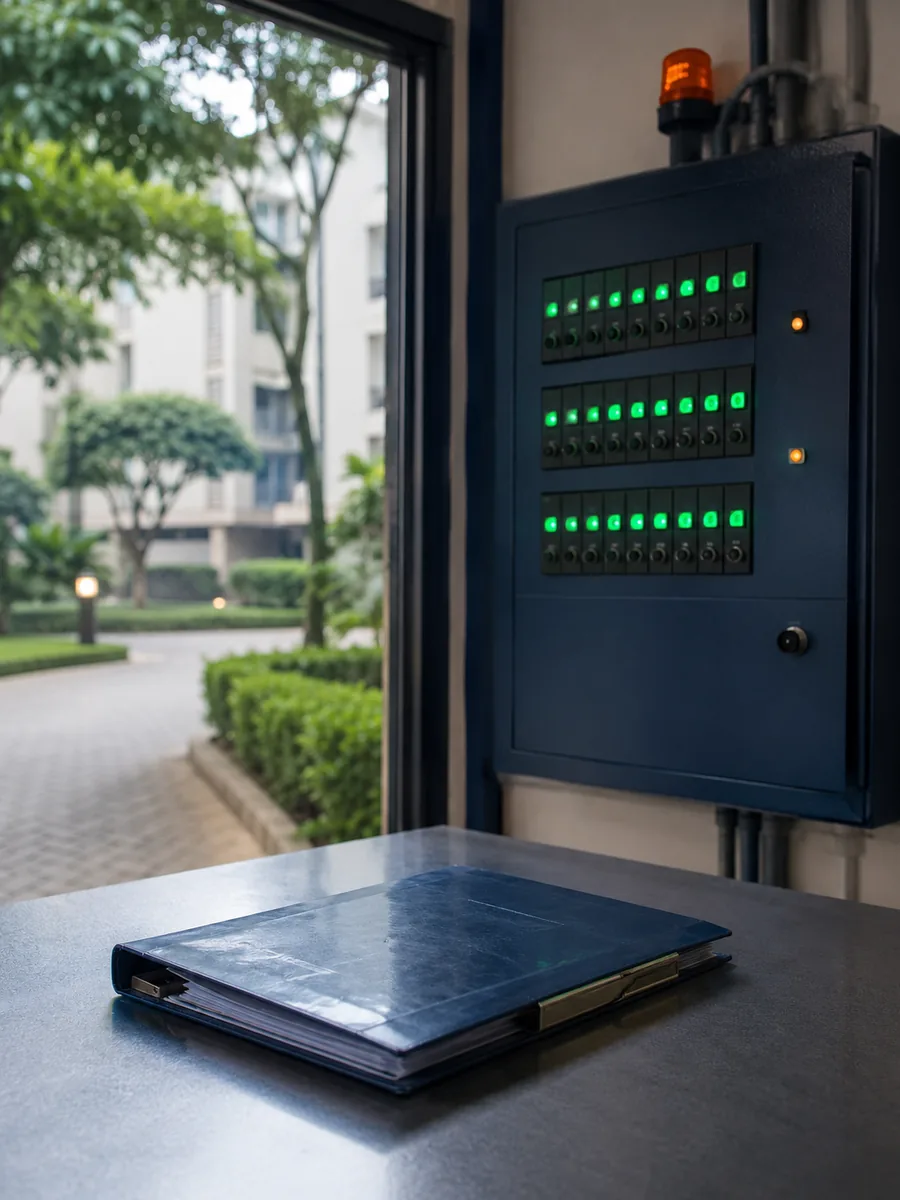
The property now operates all three systems under a single structured maintenance programme with defined inspection frequencies, a firmware update cadence, and documented emergency response. Quarterly site visits create a regular preventative rhythm that catches degradation before it becomes failure. The one-contract model reduces administrative burden: a single renewal, a single invoice, a single escalation path. The cloud telephony migration pathway, included within the AMC scope, positions the property to eliminate the cabling complexity that had been generating ongoing costs.
What changed, what risk was removed, and where to go next.
CCTV, biometric access, and telephone support were managed separately and reactively.
Three systems moved under one annual maintenance contract.
Finger-pointing between vendors during incidents.
Turn this result into a scoped conversation.
For property managers running multiple systems across a site, the cost of fragmented maintenance is not just financial — it is the accumulated risk of undetected degradation across systems that are expected to work every day. A structured AMC with quarterly visits and contractual response times converts that risk into a predictable, manageable line item.