Shared cloud to dedicated infrastructure with disaster recovery.

A manufacturing client with operations in multiple African countries was running their SAP HANA production environment on a major shared public cloud. Costs were spiraling, performance was inconsistent due to 'noisy neighbors,' and the lack of a structured disaster recovery protocol created a major business continuity risk.
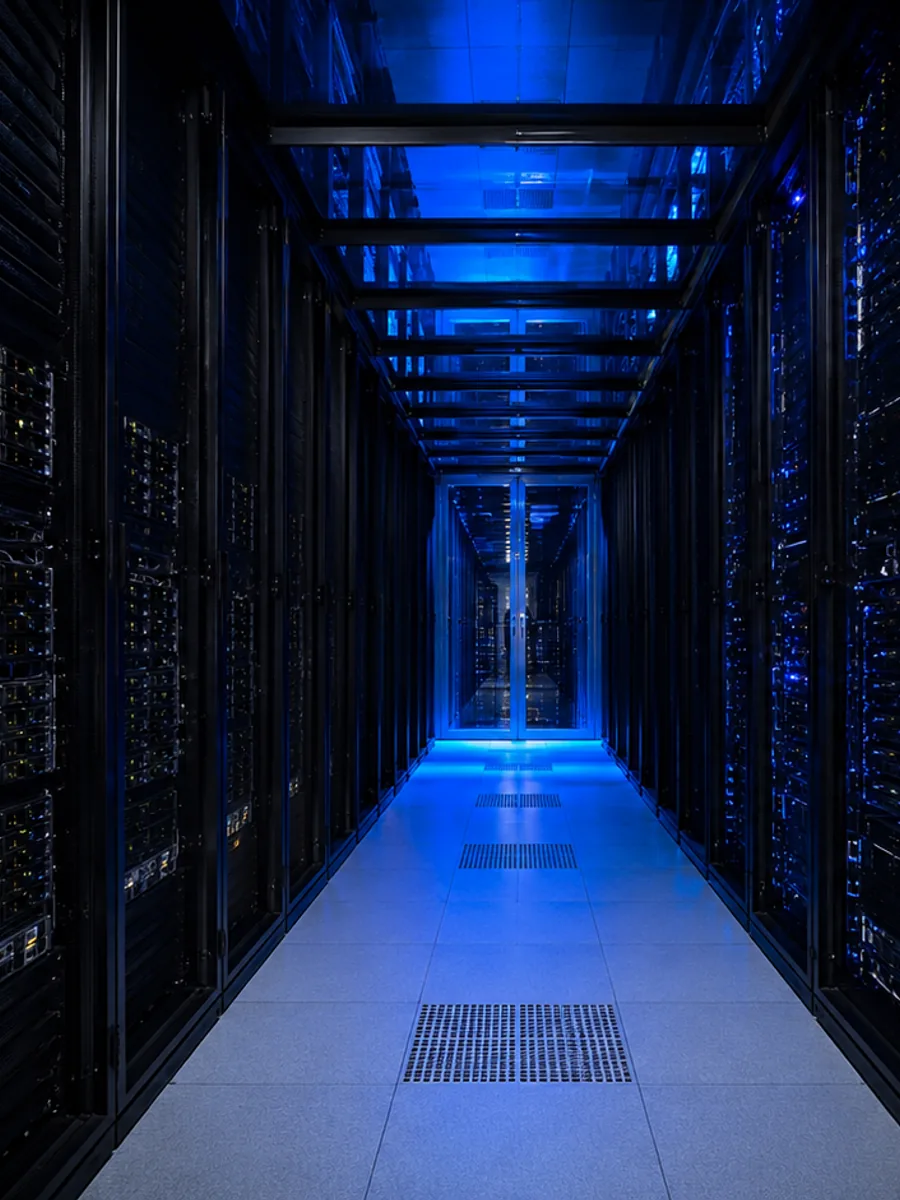
We migrated their entire SAP landscape onto dedicated, high-performance bare-metal hardware. This eliminated the virtualization overhead and provided direct access to the underlying storage and compute resources, tailored specifically for the high memory demands of HANA.
We also implemented a live, asynchronous replication cycle between their primary site and a secondary disaster recovery node, ensuring that their critical data was always redundant and accessible within minutes of a failure.


The SAP HANA environment moved from shared cloud infrastructure to dedicated bare-metal sized for the workload. Query performance improved 2-5x, month-end reporting that previously took hours now completes in minutes, and the new architecture includes a secondary disaster recovery node that was not part of the previous setup.
The right SAP HANA architecture depends on workload, performance, resilience, and operating requirements. 912 compares those requirements across available deployment models instead of assuming that shared cloud or dedicated infrastructure is automatically the right answer.