What Is a Managed Service Provider? A 2026 Guide for Kenyan Businesses
A managed service provider runs and secures your IT for a predictable monthly fee. Here is what an MSP actually does, how it differs from break-fix, and how to choose one in Kenya.
- A managed service provider (MSP) runs and secures your IT — helpdesk, monitoring, patching, cybersecurity, cloud, and backups — for a predictable recurring fee.
- An MSP replaces the reactive 'break-fix' model: instead of paying per emergency, you pay a flat retainer for continuous monitoring and prevention.
- Kenyan businesses adopt an MSP to cut downtime, meet ODPC and audit requirements, and stop juggling a dozen single-product vendors.
- The single biggest selection criterion is accountability — one team that owns the outcome, not a chain of suppliers blaming each other.
- 912 Limited runs the MSP model under one contract across 10 African countries, with a 24/7 Nairobi SOC and tested disaster recovery.
Executive Briefing: Every growing Kenyan business reaches the same wall — the IT estate gets too complex to run on call-outs and goodwill, but too lean to justify a full internal department. The managed service provider (MSP) model exists for exactly this gap. This guide explains what an MSP actually does, why the reactive 'break-fix' era is ending, and the questions that separate a real partner from a reseller with a logo.
Managed IT, defined
A managed service provider is a company that takes ongoing responsibility for running and securing your IT for a predictable recurring fee — instead of charging you each time something breaks. That responsibility typically spans helpdesk support, 24/7 monitoring, security patching, endpoint and network protection, backup and disaster recovery, cloud management, and strategic planning. The defining feature is not the list of tasks; it is who owns the outcome. With a true MSP, one team is accountable for your uptime, not a dozen suppliers pointing at each other.
MSP vs break-fix: the model shift
The old model was simple and quietly hostile: something fails, you call a technician, you pay for the visit. The provider only earns money when you have problems — so prevention is, structurally, not their job. The managed model inverts that incentive. A flat monthly retainer covers continuous monitoring and prevention, so the provider profits when your systems don't break. For most Kenyan organisations past roughly ten staff, the managed model is already cheaper once you cost downtime honestly: a single day of a frozen ERP or a stalled point-of-sale system usually dwarfs the monthly fee.
What an MSP actually delivers
- Proactive monitoring & helpdesk: systems watched around the clock, issues caught before users notice, a single number to call.
- Cybersecurity: firewall and endpoint protection, identity controls, and incident response. National KE-CIRT/CC detected over 4.5 billion cyber-threat events in Kenya from October to December 2025.
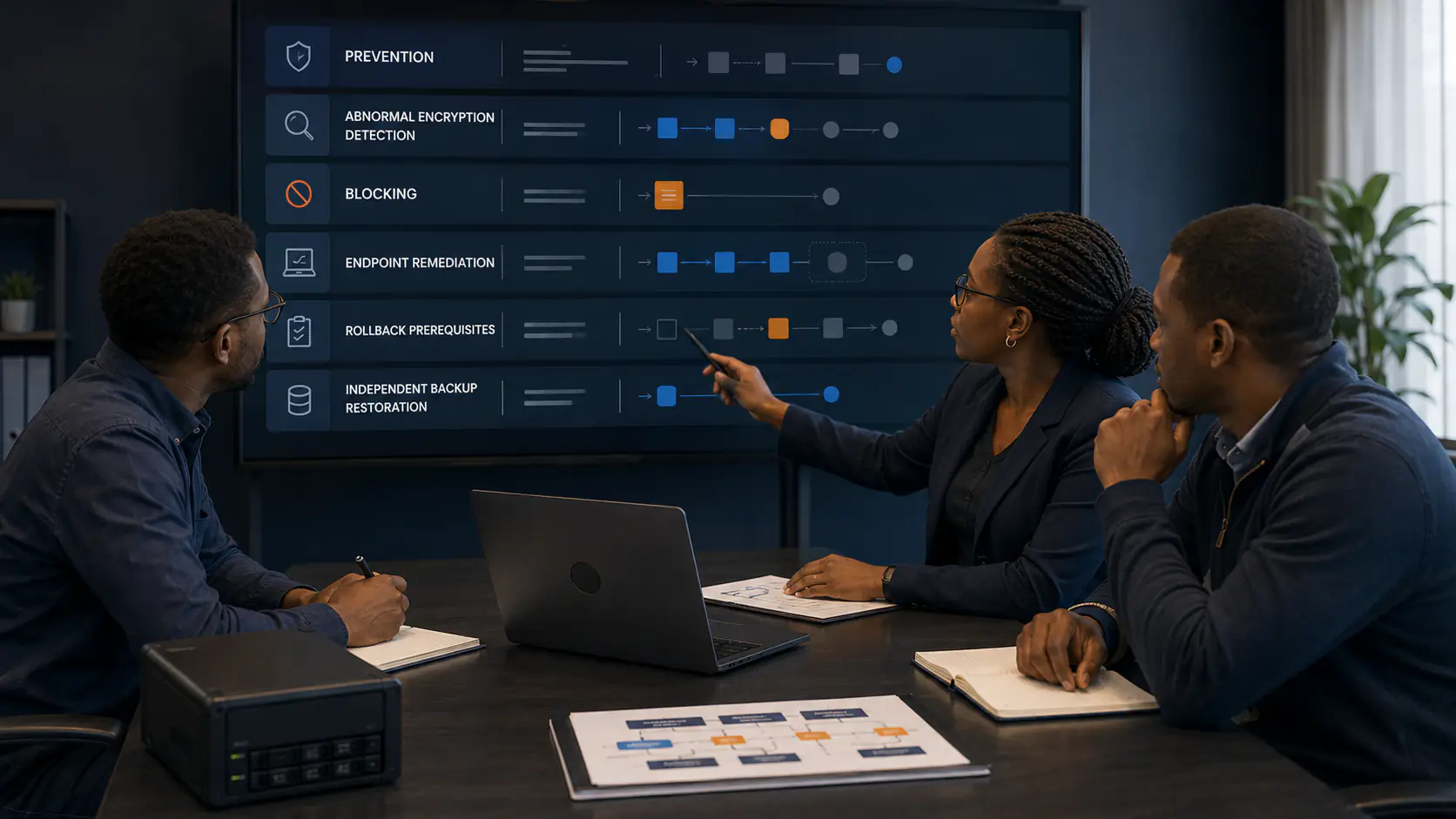
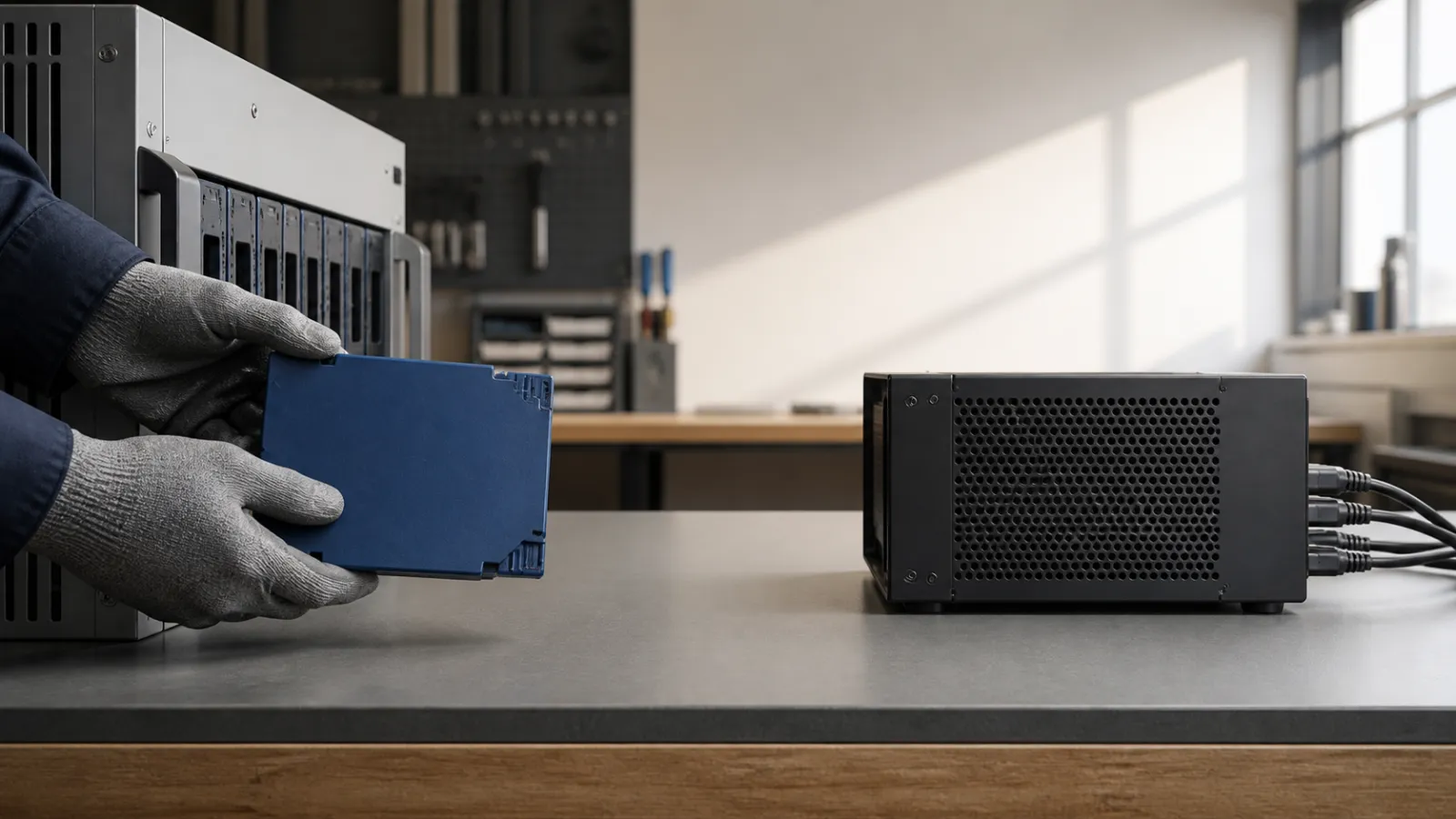
- Backup & disaster recovery: tested restores, not assumed ones. Most failed backups are only discovered during the disaster they were supposed to prevent.
- Cloud & infrastructure: right-sized hybrid environments, patching, licensing hygiene, and cost control.
- Strategic guidance (vCIO): a budgeted technology roadmap instead of reactive spending.
The hidden tax of the multi-vendor model
Here is the pattern I see in almost every Kenyan business we audit: a CCTV installer, a separate networking contractor, an antivirus reseller, a cloud consultant, and an internet provider — five relationships, five invoices, and zero accountability when something fails across the seams. The CCTV system saturates the network, the network firm blames the ISP, the ISP blames the firewall, and the business owner becomes an unpaid project manager refereeing vendors. That coordination cost is the multi-vendor tax, and it is almost invisible until you add it up.
912 was built specifically to end that. Our entire model — One Contract. Every Technology Need. — exists because the multi-vendor approach is broken. One engineering team holds physical security, networking, cybersecurity, cloud, and support together, so the seams are ours to own, not yours to referee.
How to choose a managed service provider in Kenya
Cut through the sales language with five concrete checks:
- Accountability and breadth. Can one team own security, cloud, networking, and support together — or are you back to coordinating suppliers?
- A written SLA with local response. Insist on documented response times and genuine 24/7 cover from people in your time zone, not a ticket queue overseas.
- ODPC alignment. Your provider should be fluent in the Kenya Data Protection Act 2019 and able to show how your CCTV, cloud, and data workflows comply.
- Tested backups and a DR runbook. Ask to see evidence of a successful restore and a documented disaster-recovery procedure — not a promise.
- Real references and reports. Ask for a sample audit report and a client doing similar work at similar scale.
What it costs — and what it returns
A managed retainer is priced on user count, device numbers, the services included, and whether you need 24/7 or business-hours cover. The point is predictability: a flat monthly fee instead of unpredictable emergencies. Gartner Peer Insights data attributes up to a 45% reduction in downtime to mature managed IT — and in our own engagements, the bigger win is usually the incident that never happened. For a full breakdown of how retainers are priced in the Kenyan market, see our companion guide on what managed IT services actually cost in Kenya.
What this looks like in practice
When Capwell Industries needed enterprise firewall protection, or when Githungury Dairy needed a zero-downtime virtualization migration, the value wasn't a single product — it was one team owning the whole outcome end to end. That is the difference between buying IT and being managed.
If you are tired of refereeing vendors, start with our Managed IT, Cloud & Cybersecurity pillar or book an IT audit to see exactly where your estate stands today.
Frequently Asked Questions
What does a managed service provider do?
What is the difference between an MSP and break-fix IT support?
How much does a managed service provider cost in Kenya?
How do I choose a managed service provider in Kenya?
Is a managed service provider worth it for a small business?
About the Author
Njuguna Waitara
Founder & CEO, 912
Njuguna Waitara is the founder of 912 Limited, which delivers managed IT, cybersecurity, and infrastructure under a single accountable contract across 10 African countries. He has spent over a decade rebuilding the technology backbones of Kenyan and pan-African enterprises.